©

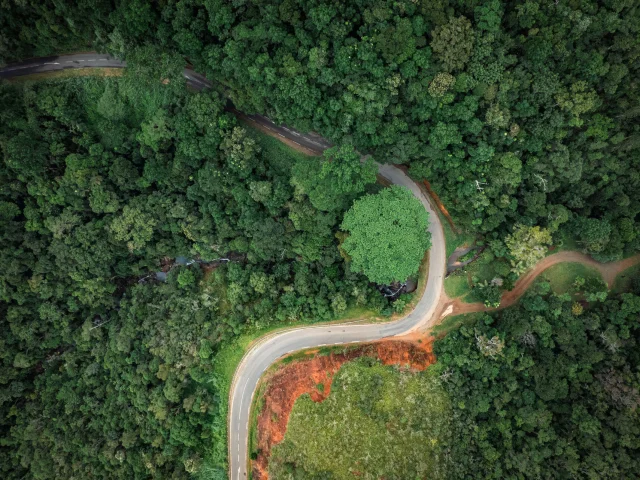
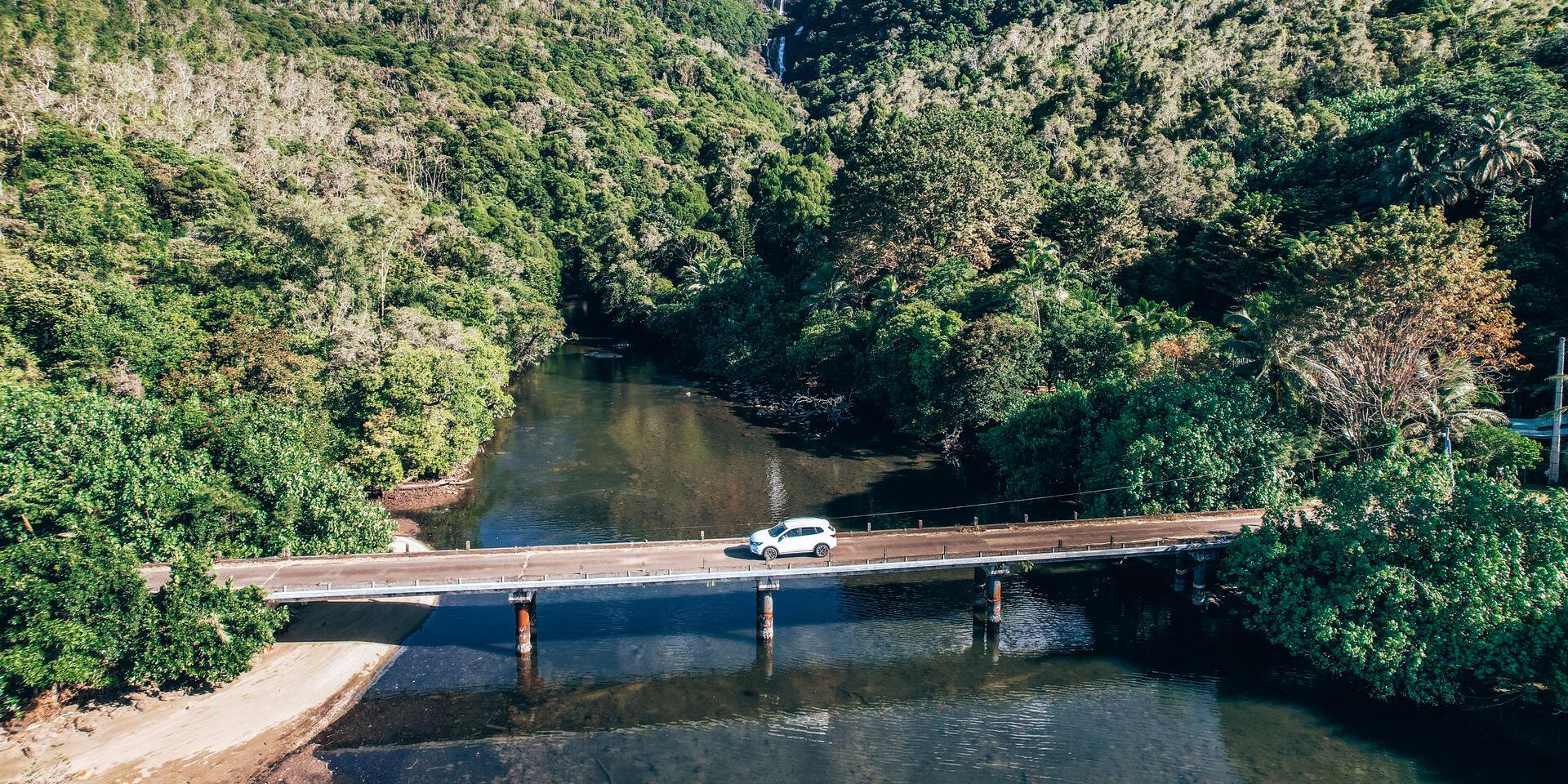
Road trip to Hienghène, New Caledonia

|

La Poze

Create a Travel Itinerary

in New Caledonia

A faraway destination, New Caledonia is a vast archipelago with many different faces, offering a great diversity of landscapes and unique experiences. For your clients, the quality of their trip will depend on how well the time spent in each region is planned. Here are our recommendations for building an itinerary that guarantees a varied and unforgettable stay.

Take Time to Explore Wide Open Spaces

New Caledonia is larger than it may seem. With a surface area of 18,575 km² — more than twice the size of Corsica — the archipelago also includes several islands to discover. It is therefore important to anticipate travel times and domestic connections, as distances between towns and islands can be significant.

For this reason, most long-haul travellers from Europe stay two to three weeks, while nearby Australians and New Zealanders generally spend around 10 days.
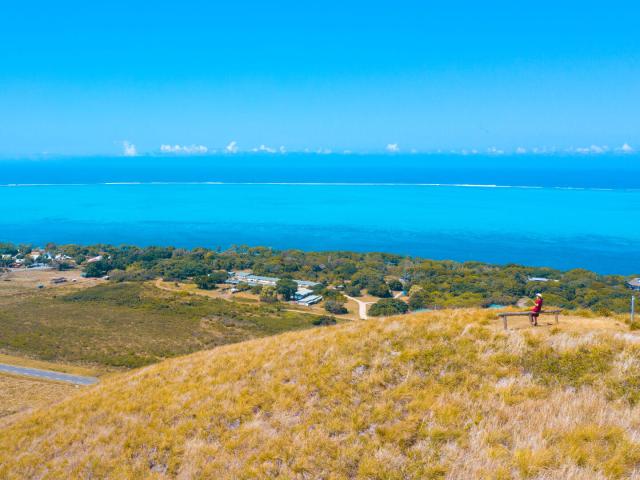
Self-Drive Guide & Map

To make planning easier and better understand distances between towns, download our New Caledonia Self-Drive Guide – 2020 edition.

While waiting for the next edition, we invite you to visit our Tourism Directory for the latest operator information.

Structure the Itinerary by Region

To balance the discovery of New Caledonia’s main regions and must-see sites, here is a suggested base itinerary:

Plan the Grande Terre Road Trip

To make the most of Grande Terre, a road trip is essential, whether by renting a vehicle (in Nouméa or at La Tontouta Airport) or travelling with a guide. The coastal roads are easy to follow and well maintained. Driving is on the right, there are no tolls, and parking is free outside Nouméa.

Where to start?

Travellers usually begin in Nouméa, head north along the West Coast to Koné or Poum, then cross to the East Coast via the Amos Pass or the Koné–Tiwaka road to reach Hienghène. To return to the capital, two scenic routes are available:

  • Koné–Tiwaka: a picturesque one-hour drive from Poindimié to Koné, crossing three mountain passes.
  • Col des Roussettes: a longer, winding route from Houaïlou, combining sea views, mountain scenery, and tribal villages.

Both options are worth the journey and the choice depends on the time available.

Recommendations for your clients:
Avoid night driving

due to deer crossing on the West Coast.

Refuel in advance

especially in the bush where petrol stations have limited opening hours, even more so on the East Coast.

Bring a small gift

On the East Coast or in the islands, this can be offered as part of the customary ceremony to access certain tribal lands — a memorable cultural experience.

When to Travel

With its temperate tropical climate, New Caledonia offers good travel conditions all year round. Average maximum temperatures range from 23°C in the cool season (June–September) to 30°C in the warm season (December–March).

Depending on your clients’ interests:

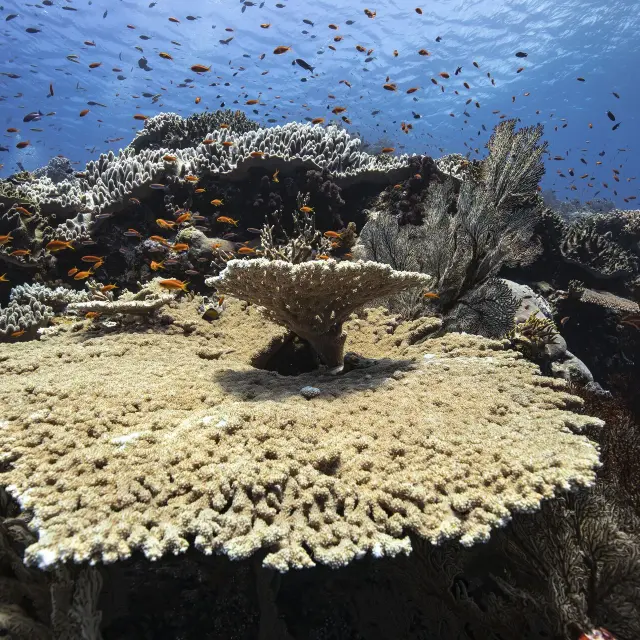
  • Diving and snorkelling: April to December, when rainfall is lower and water visibility is clearer.
  • Outdoor activities: September to November, with sunny days and mild temperatures.
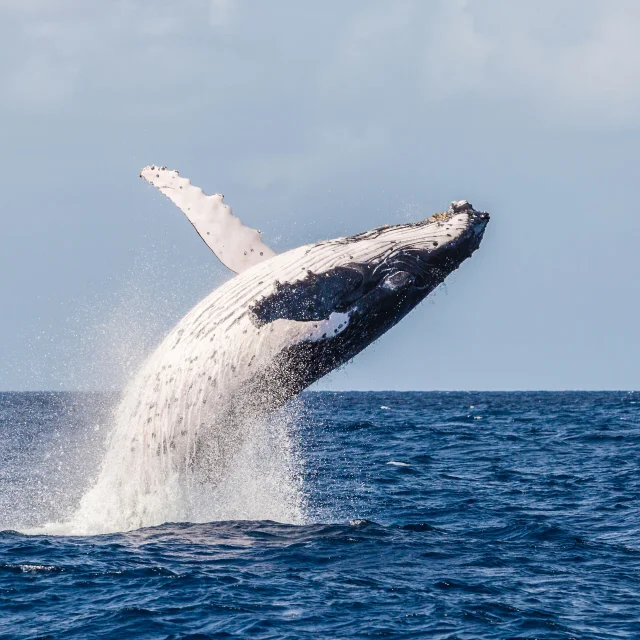
  • Whale watching: July to September.
  • Events and festivals: Mostly mid-year, including the Bourail Fair in August and numerous Island Festivals from May to November.
  • Best value: To optimise flight prices and service availability, avoid the peak holiday seasons of December–January and July–August.